



Visit The Cyprus Institute researchers and learn about their fascinating projects!
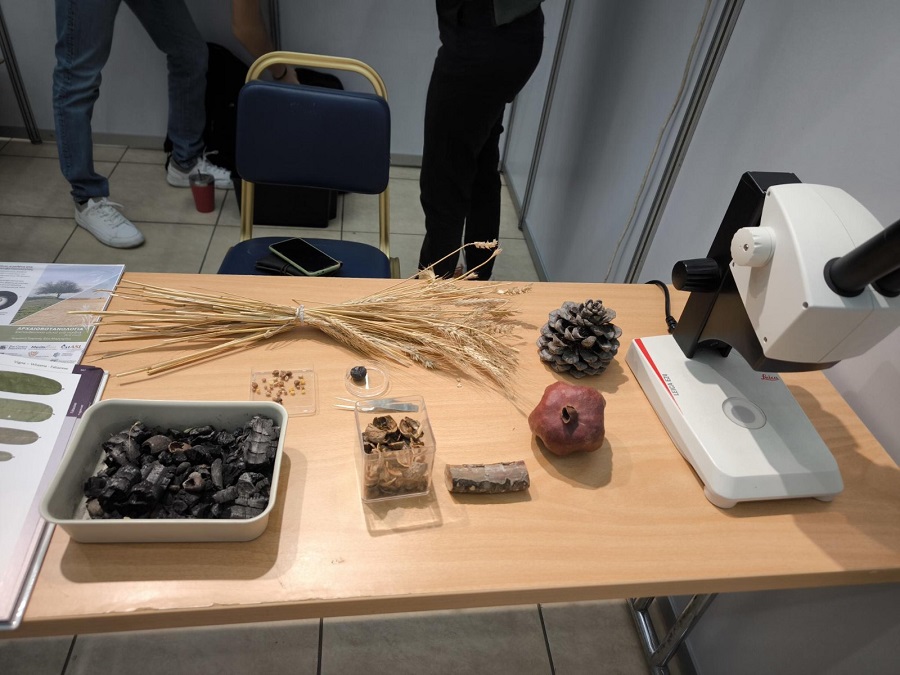
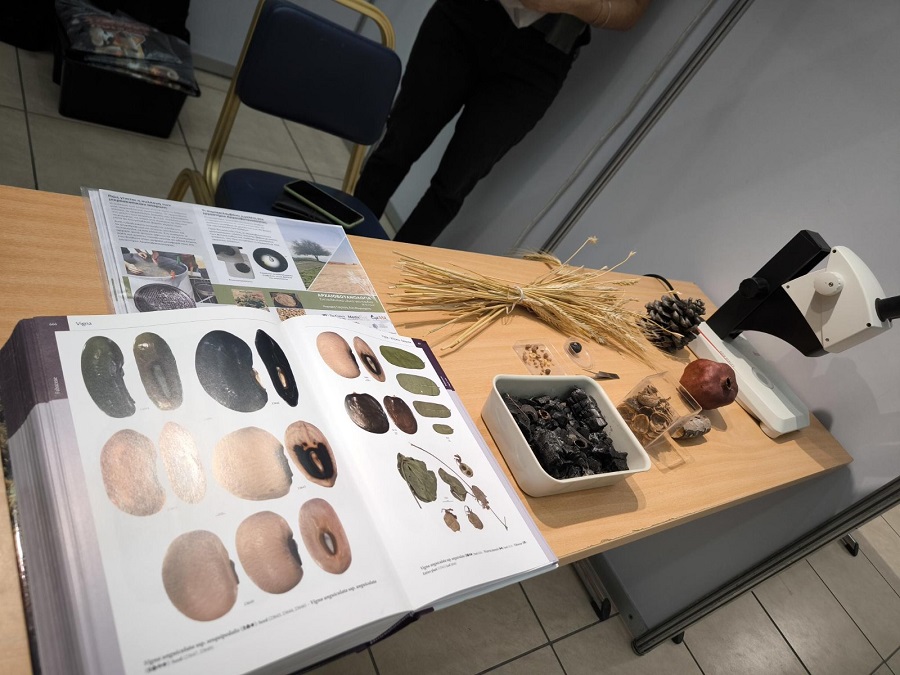
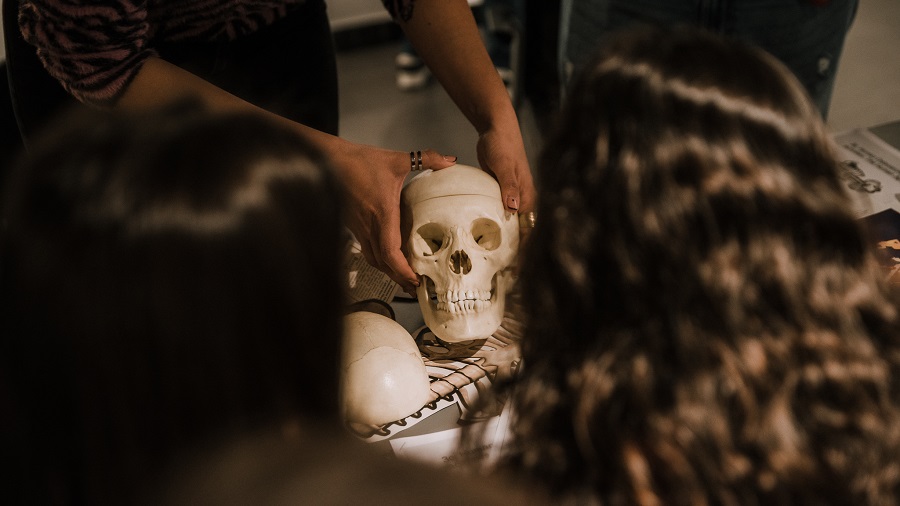
Researchers in charge: Team: Efthymia Nikita, Evi MargaritisNames of participating team members: Panagiotis Koullouros, Despoina Markou, Georgia Kasapidou, Simeon Gkinoudis, Gkampriella Selempa, Andreas Bertsatos, Anna Spyrou
Bioarchaeology examines organic remains, i.e. seeds, human and animal bones, from archaeological excavations. These remains could be said to be ‘unsung heroes’ because they give us unique information about the lives of our ancestors, but they often go unnoticed in excavations, even in museums, where the emphasis is usually on material culture. But how can seeds and bones help us better understand our history?
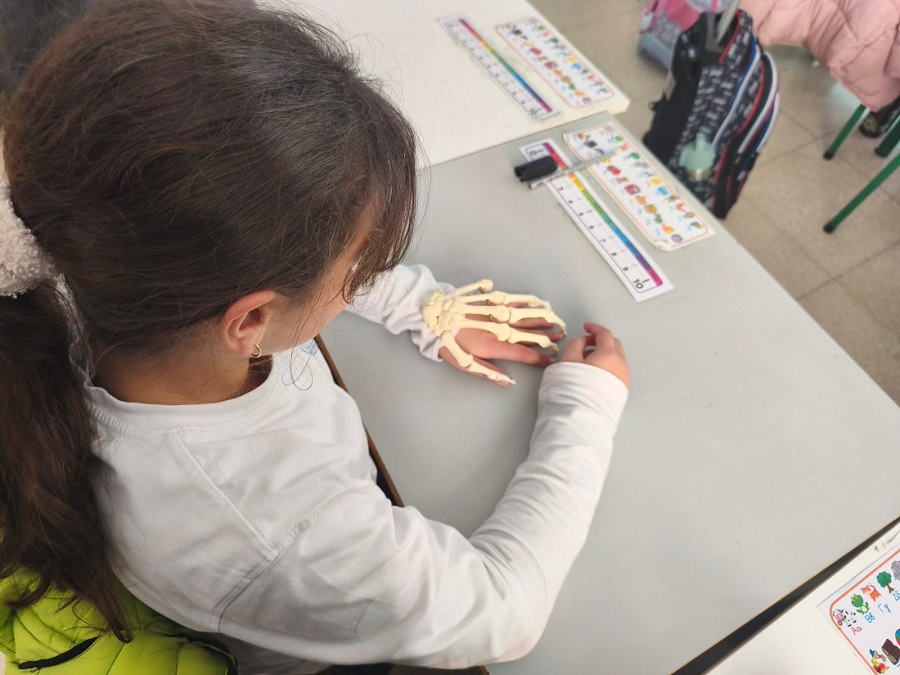
Guided by Archaeologists-Researchers from the Cyprus Institute, we will explore how ancient seeds and animal bones can shed light on diet, environment and economy in the ancient eastern Mediterranean, from prehistory to recent times. We will also see how the human bones we find in an excavation can shed light on how our ancestors lived: What age could they have reached? What diseases did they suffer from? How difficult were their daily tasks? The present action takes us on a journey to the roots of the Mediterranean populations, from the Neolithic period to the present day. Therefore, we invite elementary school students for a trip to the past with our guides, the ‘unsung heroes’ of the excavation.
Abstract:
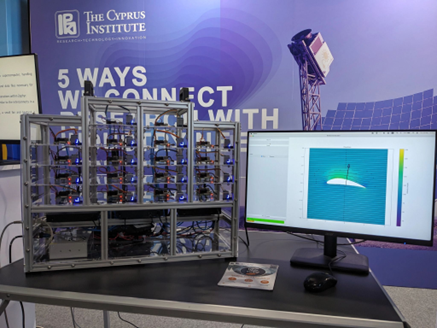
“Zephyr is a miniature supercomputer designed to make the complex world of supercomputing accessible and engaging for young learners. Made from 18 Raspberry Pi computers, it showcases the power of collaboration in computing through interactive games and visual indicators. At our science fair, children can explore real-world problem-solving through hands-on activities, demonstrating the immense potential of teamwork in technology. Zephyr brings the concept of supercomputing to life, offering a unique educational experience that inspires curiosity and innovation.”
What is Zephyr?
Imagine a supercomputer so big it fills up an entire room with its many parts! That’s what Cyclone is. But, it’s too big to bring to our science fair. So, we have something special called Zephyr – a mini supercomputer that’s just as cool but small enough to fit in a suitcase!
How Zephyr Works:
Zephyr is like a tiny supercomputer family, made of 18 little computers called Raspberry Pis. These Pis can talk to each other and work together to solve big problems, just like the giant supercomputers do!
– Tiny but Mighty: Each Raspberry Pi is super tiny, not much bigger than a deck of cards, but they can do a lot! They have brains (CPUs) that can do four things at once.
– Seeing the Action: Zephyr uses colourful lights to show what it’s doing – like thinking hard or keeping cool.
– Talking to Each Other: The Raspberry Pis pass secret messages through cables to share what they know, just like passing notes in class!
– Power Up: It needs more juice (power) than a laptop, but don’t worry, it has its own magic power box to keep it running.
Inside Zephyr:
We’ve put Zephyr in a see-through case, so you can see everything happening inside. It’s like looking into a bee hive and seeing all the bees working together!
Games on Zephyr:
Zephyr isn’t just for show; it has cool games that let you solve real-world puzzles!
- Design an Aerofoil: Become an airplane designer! Use sliders to change your airplane wing’s shape and see if it can fly high without using too much fuel.
- Coastal Defenses: Play the role of a hero saving a town from big waves! Decide where to put sea walls to keep the town safe without breaking the bank.
Why Zephyr is Awesome for Science:
Zephyr shows us how supercomputers help scientists solve big problems, from making airplanes fly better to keeping our coasts safe. And it does all this in a way that’s fun and easy to understand!
Come join us at the science fair to explore the tiny yet mighty world of Zephyr. You’ll see how even the smallest computers can solve huge problems when they work together!
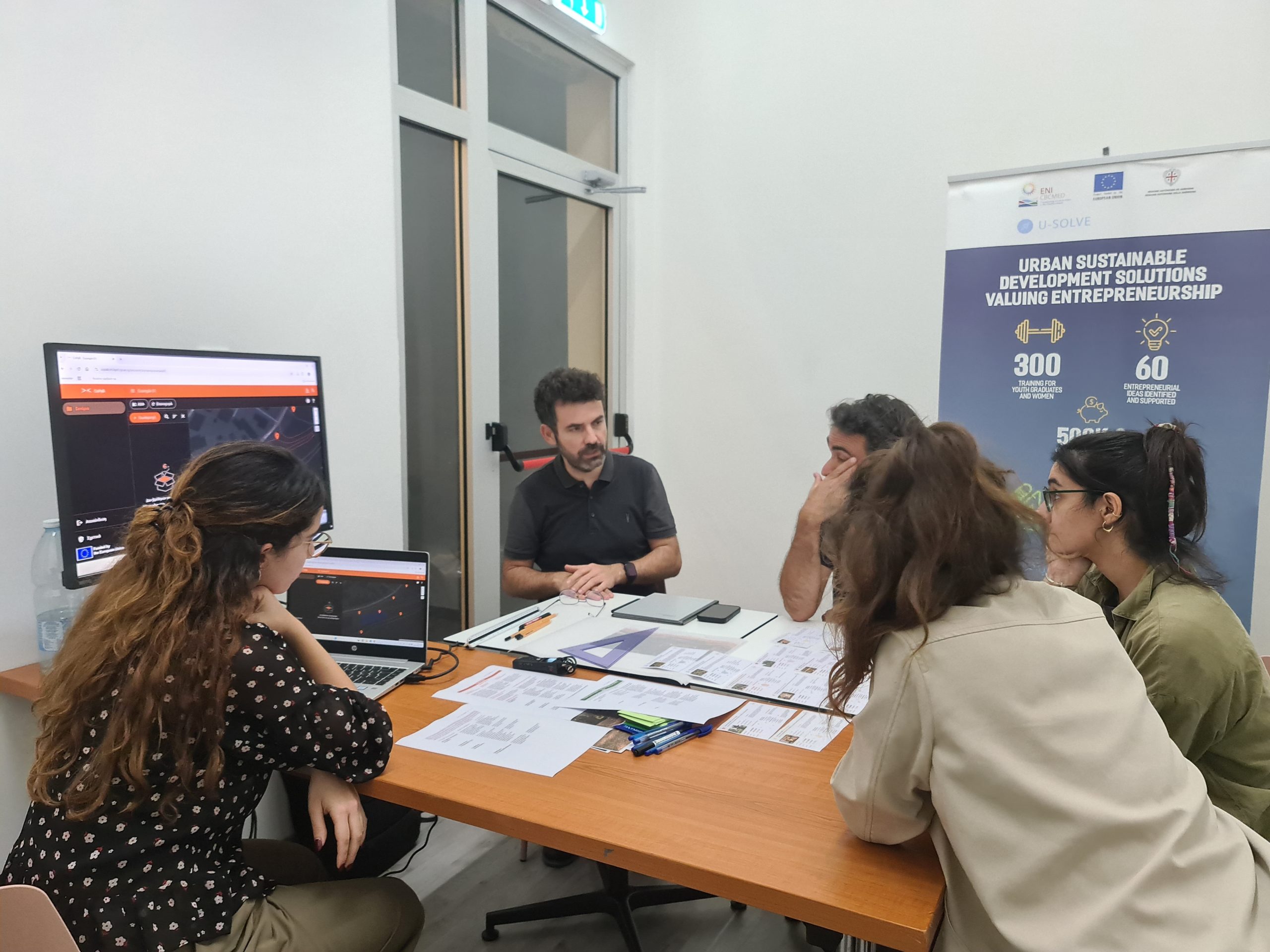
Through a digital game, visitors can create their own scenarios for implementing nature-based solutions and understand both the environmental impact of their decisions and the associated construction and maintenance costs. At the same time, they can learn about the contribution of their choices to society, the local economy, nature, and the urban environment. This action promotes the participation and inclusion of youth in decision-making processes.
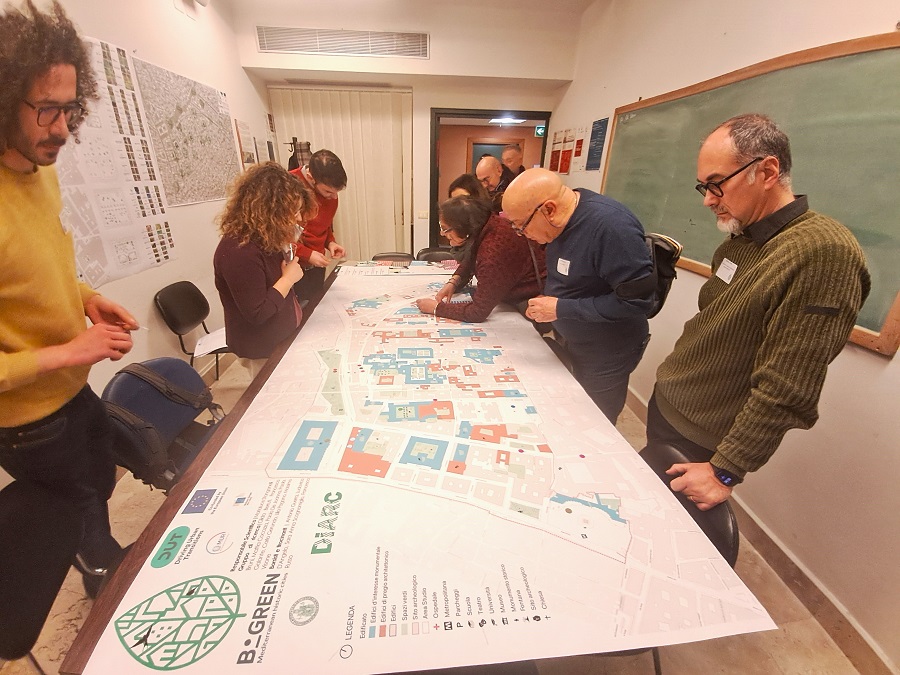
Β_Green is funded by the Driving Urban Transitions (DUT) partnership. The project focusses on “bringing nature back into our lives” and combatting biodiversity loss through naturalization measures in urban space. B_Green examines the biodiversity in the historic centres of four mediterranean cities – Cuenca, Spain; Coimbra, Portugal; Naples, Italy, and Strovolos, Cyprus, and develops tools and scalable action plans for biodiversity through Urban Living Labs (ULLs). As part of this the Cyprus Institute team develops a 3D GIS-enabled digital platform. This platform will act as both a knowledge hub, integrating data for stakeholder engagement and incorporating citizens sensing, and as a ULL toolkit, facilitating co-design and co-monitoring activities and allow the building and assessing of intervention scenarios.
Researchers in charge: Mehmetcan Soyluoglu
Team Members: Athanasios Koutoupas, Andriana Nikolaidou, Antonia Agapiou, Marina Faka, Nicolette Vollero Levy, Valentina Vassallo, Seyedeh Soodabeh Sajadi, Tariq Benzaza, Andreas Manoli, Pengxiao Hao
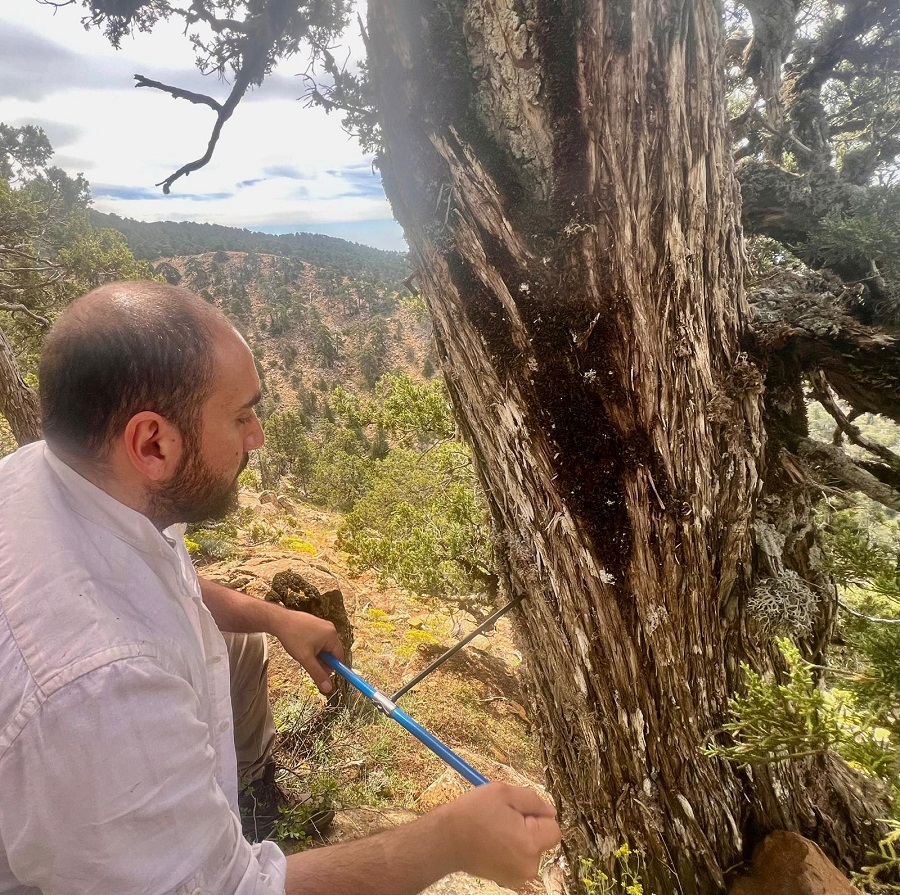
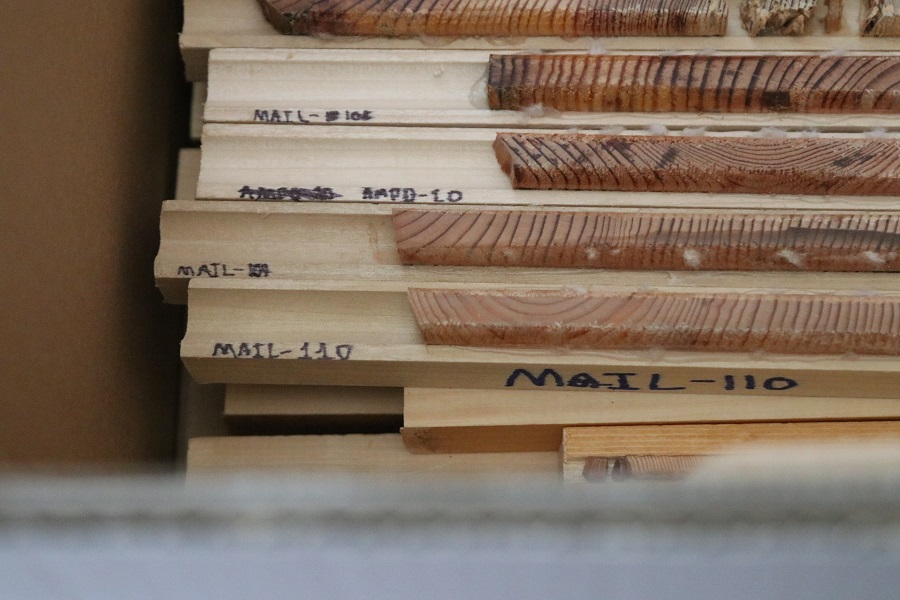
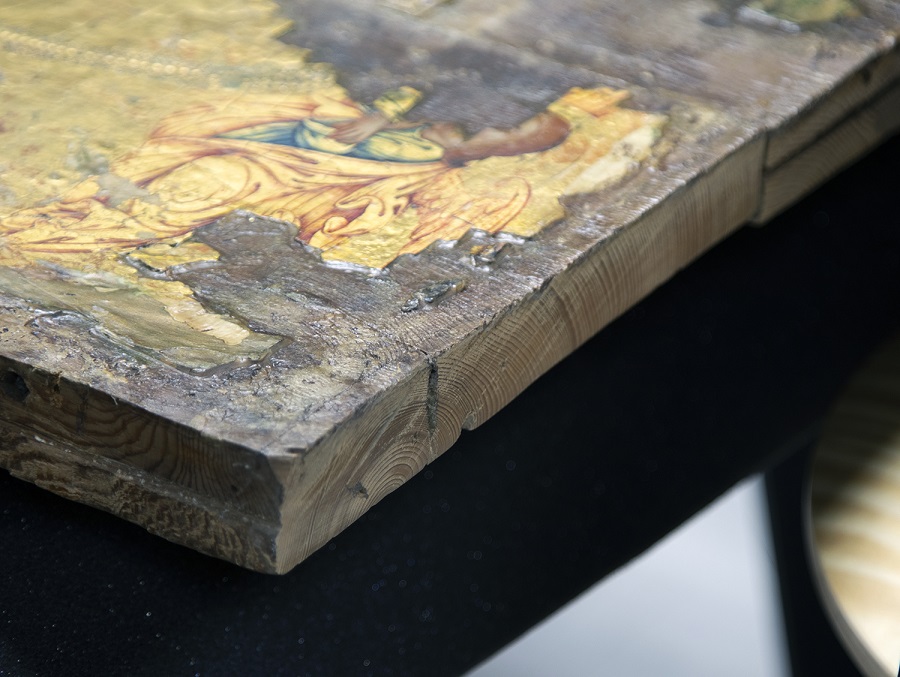
The Cyprus Dendrochronology Laboratory at APAC Labs of The Cyprus Institute presents the fascinating science of dendrochronology: the study of tree rings to determine age and reconstruct environmental and historical information.
The objective of the activity is to introduce visitors, especially students, to how trees record time and how scientific analysis contributes to cultural heritage research and climate studies.
Dendrochronology is applied in:
– Dating historic buildings and wooden artefacts
– Climate reconstruction
– Identifying drought periods
– Supporting archaeological and environmental research
– Writing forest history and past forest fires
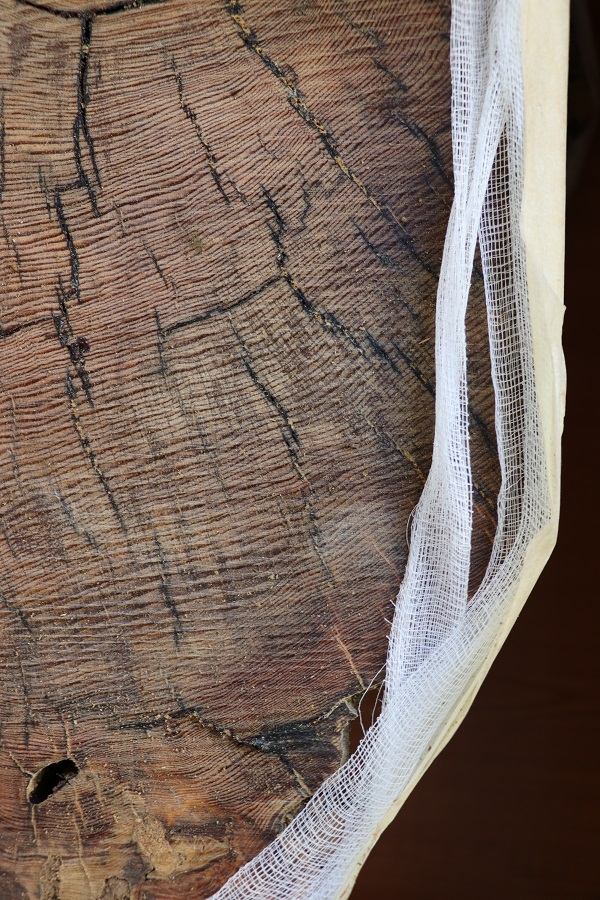
Visitors will discover how trees record time and weather each year and how scientist can read these data by looking to the rings that trees produce. By looking to the tree rings, visitors will be able to tell climate conditions and past fires of hundreds years ago by the guidance of scientists.
Participants will be able to:
– Observe real wood samples and cross-sections
– Count and measure tree rings using magnification tools
– Participate in a digitally created tree ring analyses activities
– Explore interactive digital presentations featuring case studies from Cyprus

Team Members: Andreas Athenodorou, Christodoulos Stylianou, Constantinos Paphitis, Constantine Dovrolis, Maria Terzi (Malloc), Liza Charalambous (Malloc)
Do you think your phone is truly private? Visit our booth to discover DAEMON-AI, a powerful digital guardian developed by Malloc and The Cyprus Institute.
In this demo, you will see in action how Artificial Intelligence (AI) is transformed into a “smart detective” that uncovers spyware.
What you will learn and see live:
- Invisible Protection: How AI detects suspicious applications trying to collect your data without your knowledge.
- Data X-ray: See how our model identifies whether your phone is secretly sending photos or videos to a hacker, even if the data is locked (encrypted), simply by analyzing the “shape” of network traffic!
- Immediate Action: How DAEMON-AI prevents damage by stopping digital intruders before they can access your personal data.
The DAEMON-AI project (RIF/CODEVELOP/0824) is implemented under the RESTART 2016–2020 Programmes and is funded by the Research and Innovation Foundation (RIF) of the Republic of Cyprus.
————————————————————————————————————————
DAEMON-AI: The Digital “Detective” Against Spies!
DAEMON-AI, a collaboration between Malloc and The Cyprus Institute, acts as a digital “detective” against spyware on mobile phones. In our demo, you will see how Artificial Intelligence (AI) detects invisible applications attempting to monitor you without your consent. The system identifies data interception by analyzing the “shape” of network traffic, data flow, and the behavior of the device itself. This technology acts proactively, stopping digital intruders in real time before they can compromise your privacy.
The project (RIF/CODEVELOP/0824) is funded by the Research and Innovation Foundation (RIF) under the RESTART 2016–2020 Programmes of the Republic of Cyprus.
Participants: Andreas Athenodorou, Christodoulos Stylianou, Constantinos Paphitis, Constantine Dovrolis, Maria Terzi (Malloc), Liza Charalambous (Malloc)
Team Members: Corey McClintock, Marios Christoforides, Klaudia Sowizral
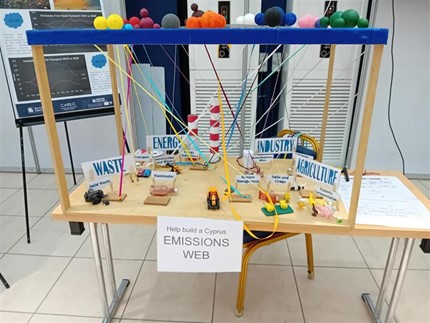
Cyprus and the whole Middle East Region will likely be greatly affected by climate change. Emission inventories are a key part of monitoring pollutants and greenhouse gases from local and regional sources. Visitors, including young ones, can participate in hands-on activities to learn more about these inventories in Cyprus, contextualize the emissions, and explore mitigation options.
Team Members: Mihai Ciobanu, Efstratios Bourtsoukidis, Hayley Furnell
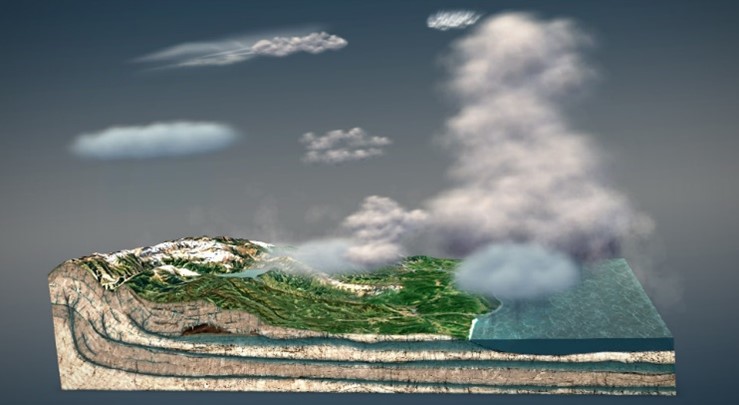
Have you ever wondered where do the smells we encounter in forests, plants, and our cities come from? Did you know that some of the gases associated with these smells can affect atmospheric chemistry and, indirectly, cloud formation? If you want to discover what lies behind the scents of nature and the urban environment, join us for an informative and interactive activity.
In the first part, participants will experience different smells from leaves, herbs, and other natural materials, and will learn that these originate from invisible gases emitted into the atmosphere. They will also see how temperature can make these smells more intense. We will then explain how these gases can be transformed into microscopic particles that contribute to cloud formation. In the second part, this concept will be demonstrated through a spectacular cloud formation experiment. Participants will observe how the condensation of water vapor and the presence of particles in the atmosphere can lead to the creation of a small cloud right before their eyes.
Team: George Zittiz, Andreas Karpasitis, Pinelopi Loizou, Maria Gavrouzou, Aristotelis Liakakos
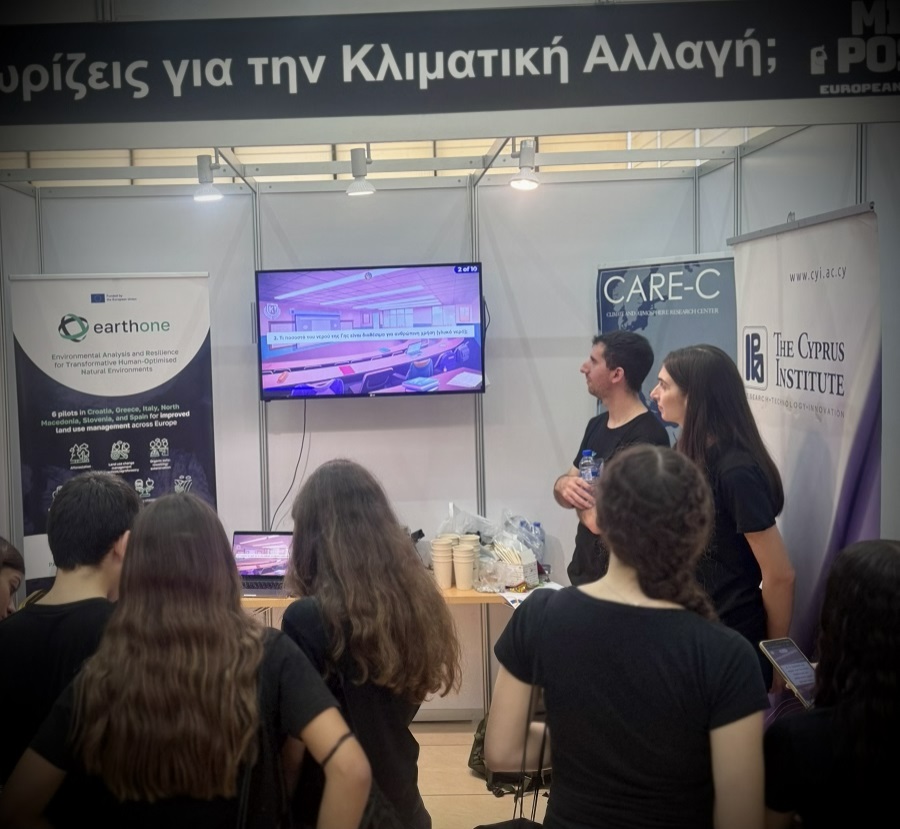
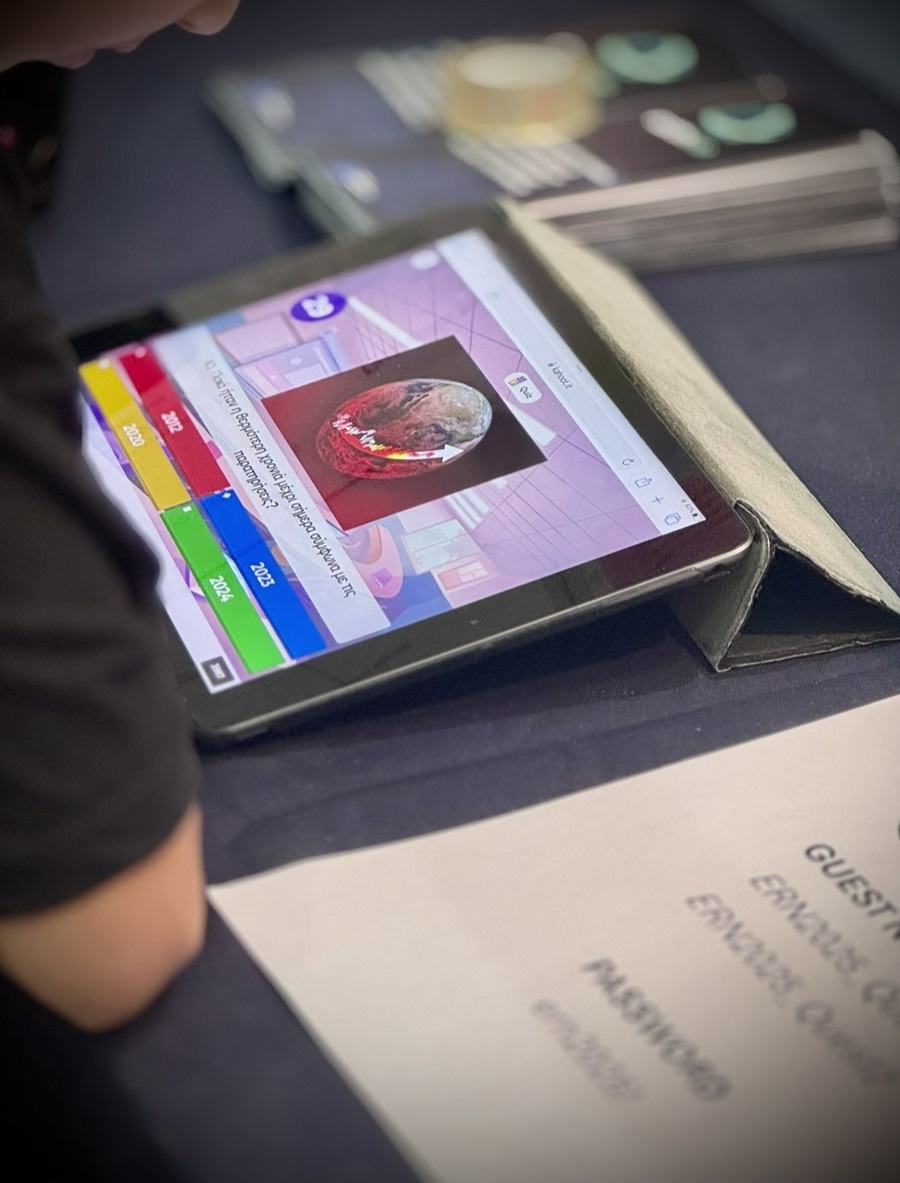
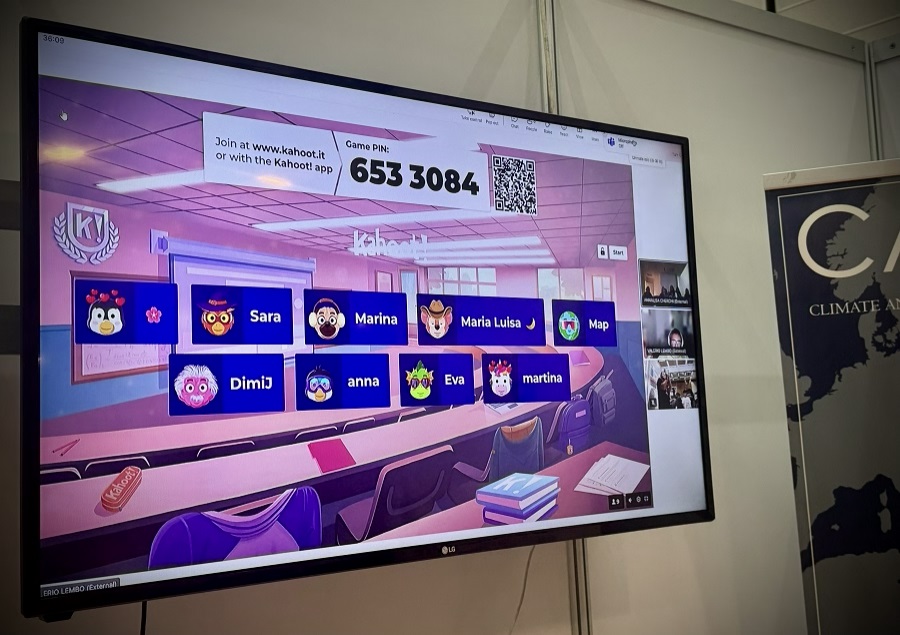
This activity is designed as an interactive quiz game that connects several European cities, each participating as a team. The quiz will focus on the outcomes of the OptimESM Horizon Europe project (https://optimesm-he.eu/), with questions centered on future climate change, particularly at the regional level. The goal is to promote knowledge exchange about cutting-edge climate research, highlight regional challenges, and empower participants—especially students—to develop their local adaptation plans. Join us in building a more sustainable and resilient future together!
Team: Adriana Bruggeman, Χρίστος Ζουμίδης, Hakan Djuma, Ανδρέας Σαββίδης, Ιωάννης Σοφοκλέους, Νιόβη Χριστοδούλου, Αίγλη Μιχαηλίδου, Βίκτωρ Φινόπουλος, Aman Kumar Meena, Χριστίνα Μακρή
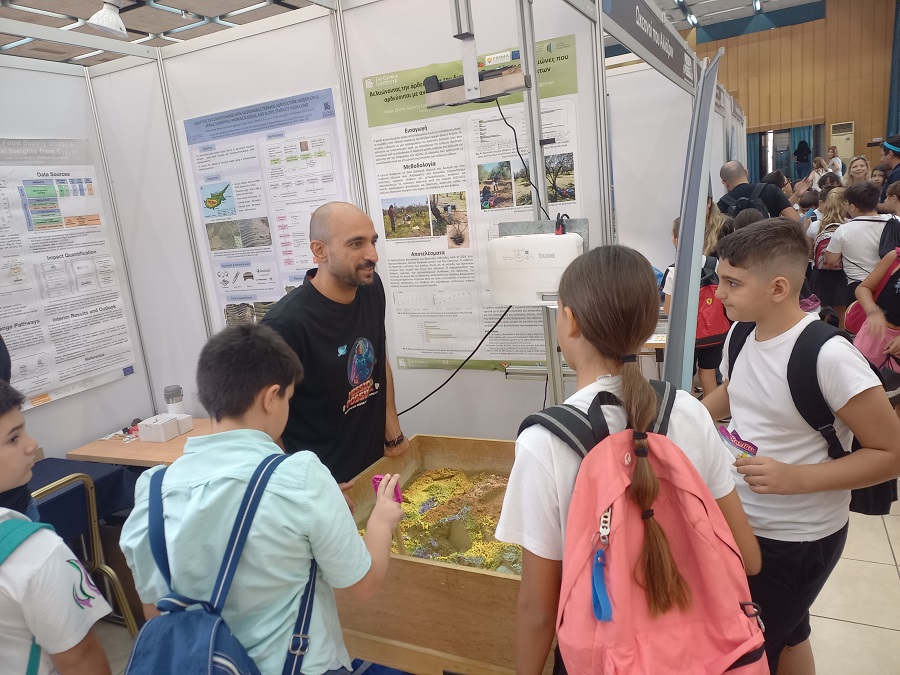
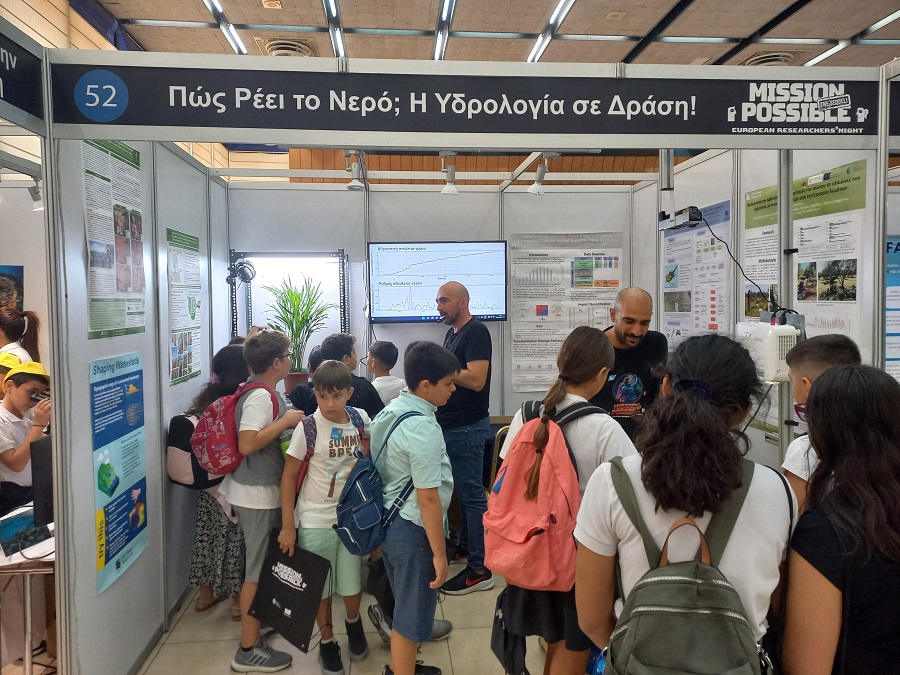
When water flows from the mountains to the plains, it converges or diverges based on the shape of landforms. The distribution of water leads to watersheds which play an important role in our agro-ecosystems and determine the availability of water resources. The dynamic behavior of watersheds is demonstrated with an interactive augmented reality sandbox, where participants are able to change landforms and explore in real time the importance of water relative to the study of hydrology and earth sciences. Furthermore, researchers will demonstrate how the water is transported from the roots to the leaves, following a decreasing water potential gradient and how it is influenced by the environmental factors. Finally, audiovisual material will also broadcast smart recipes and procedures to adapt our water resources and cities to climate change.
Team: Ioanna Kyprianou, Nikolaos Kampelis, Panayiotis Papadopoulos, Kristis Alexandrou
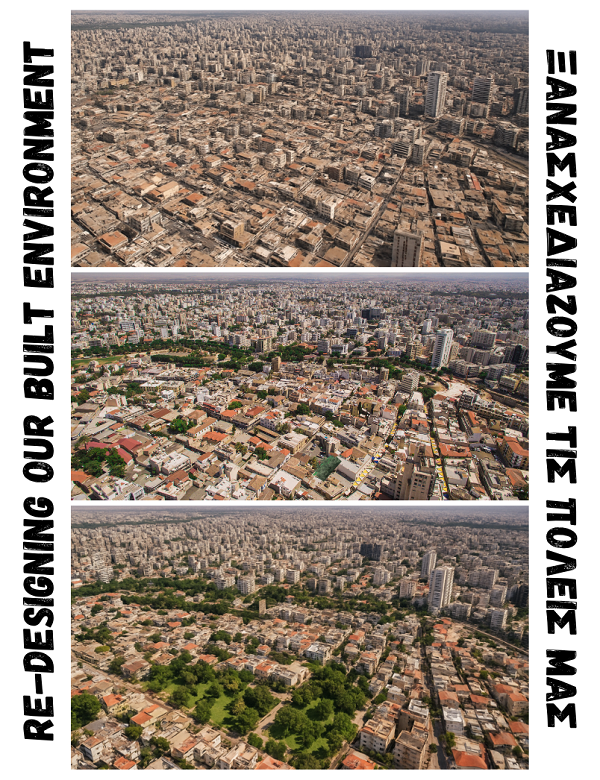
Our cities are mostly grey and filled with hard materials that make everyday living a challenge. Public spaces that are practical to use, green areas and shading are just some of the ways we can improve them, but maybe we can do even more. Our activity will engage the students in a hands-on approach, where they will be provided with real photos of urban areas around Cyprus, and a task to improve them as much as possible. The aim of the activity is to activate student imagination and ask them to re-imagine the city as they wish to see and experience it, providing them with some basic tools to improve the city but also challenging them to formulate and express their own ideas.
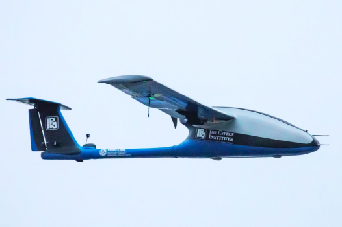
Watch the future of flight unfold at the Unmanned Systems Research Laboratory, with an exciting nano drone flight demonstration.
A unique opportunity to experience cutting-edge technology up close!
Team: Panayiotis Yiannis, Konstantia, Giorgos
Have you ever wondered why ketchup refuses to pour and then suddenly gushes everywhere? Or why some liquids get thicker the harder you push them? In this activity, you’ll explore the fascinating world of non-Newtonian fluids — liquids that break the rules! Get hands-on with ketchup and oobleck, and take a peek at real scientific instruments that researchers use to study how these fluids behave.
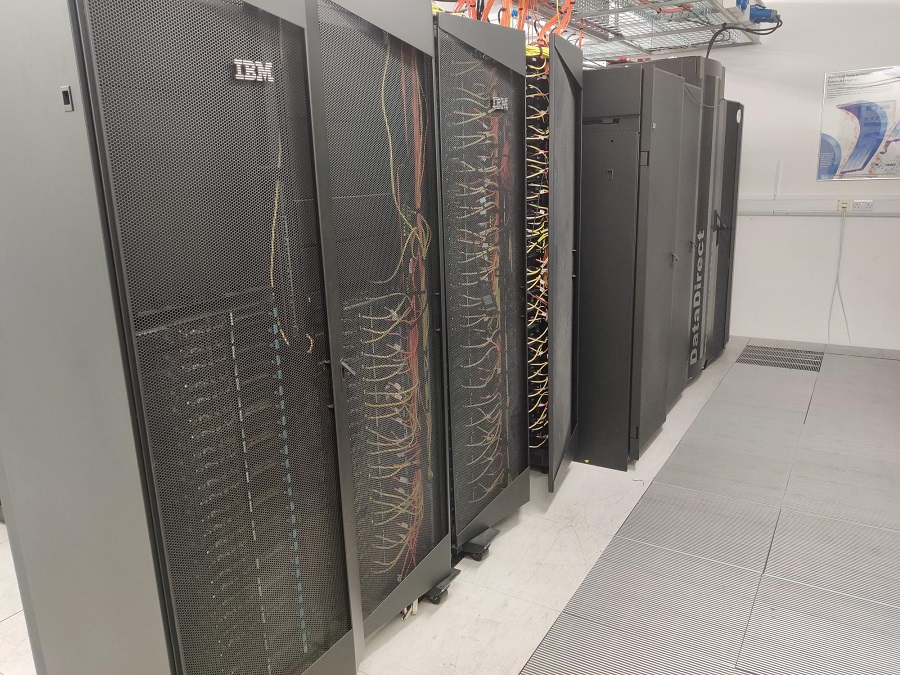
The High Performance Computing Facility (HPCF) of the Cyprus Institute is the national supercomputing center of Cyprus, driving research through high-performance computing and AI. It enables scientists to run complex simulations and advanced models that would otherwise be impossible, supporting innovation across multiple scientific fields.
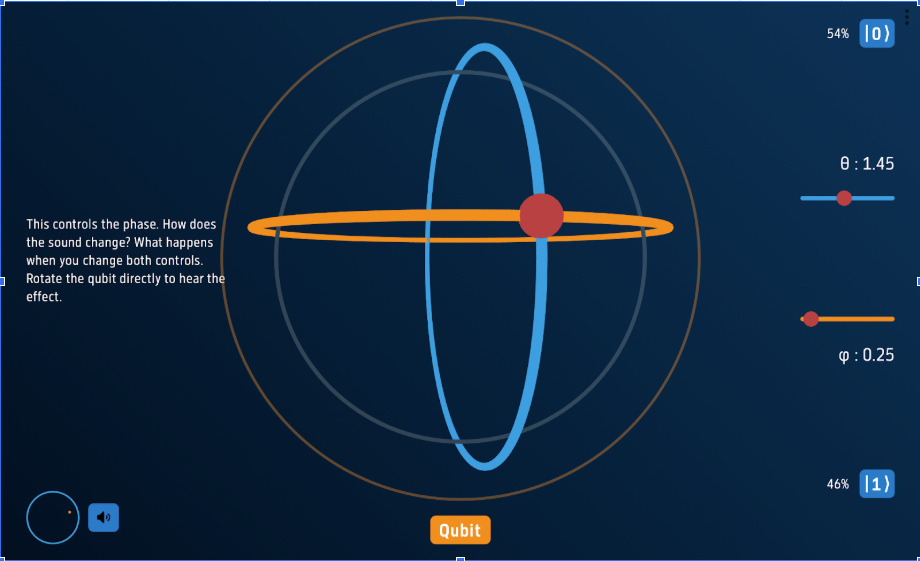
Objective: Presented by the QUEST group, this activity aims to communicate the underlying differences between our conventional “classical” computers and the future of quantum computing. We will showcase the fundamental building block of quantum computing (the qubit) helping the public intuitively grasp its workings compared to a standard classical bit.
Applications: Quantum computing opens entirely new possibilities in areas where classical computers struggle: designing new drugs and materials by simulating molecules at the quantum level, strengthening cryptography and cybersecurity, and accelerating optimization problems in logistics, finance, and artificial intelligence. It represents a fundamentally different way of processing information.
Interesting Aspects: The most counterintuitive aspects of quantum mechanics are “superposition” and “phase.” Unlike classical computer bits that must be strictly 0 or 1, a qubit can exist in a state where it is 0 and 1 at the same time! Moreover, quantum states carry a phase, a hidden property with no classical analogue, that plays a crucial role in how quantum algorithms achieve their power. This activity highlights these counterintuitive rules of the microscopic world by translating abstract mathematics into a multisensory experience.
“Hands-on” Experience for the Public: Visitors will interact with an immersive web app developed in collaboration with DESY. Through a user-friendly interface, they will manually navigate the full space of possible quantum states of a single qubit, visualized on the Bloch sphere. Participants will not only see the visual representation but also hear the quantum state — using interactive graphics and real-time sound to truly experience how quantum superposition and phase behave. No prior knowledge of physics or mathematics is required!
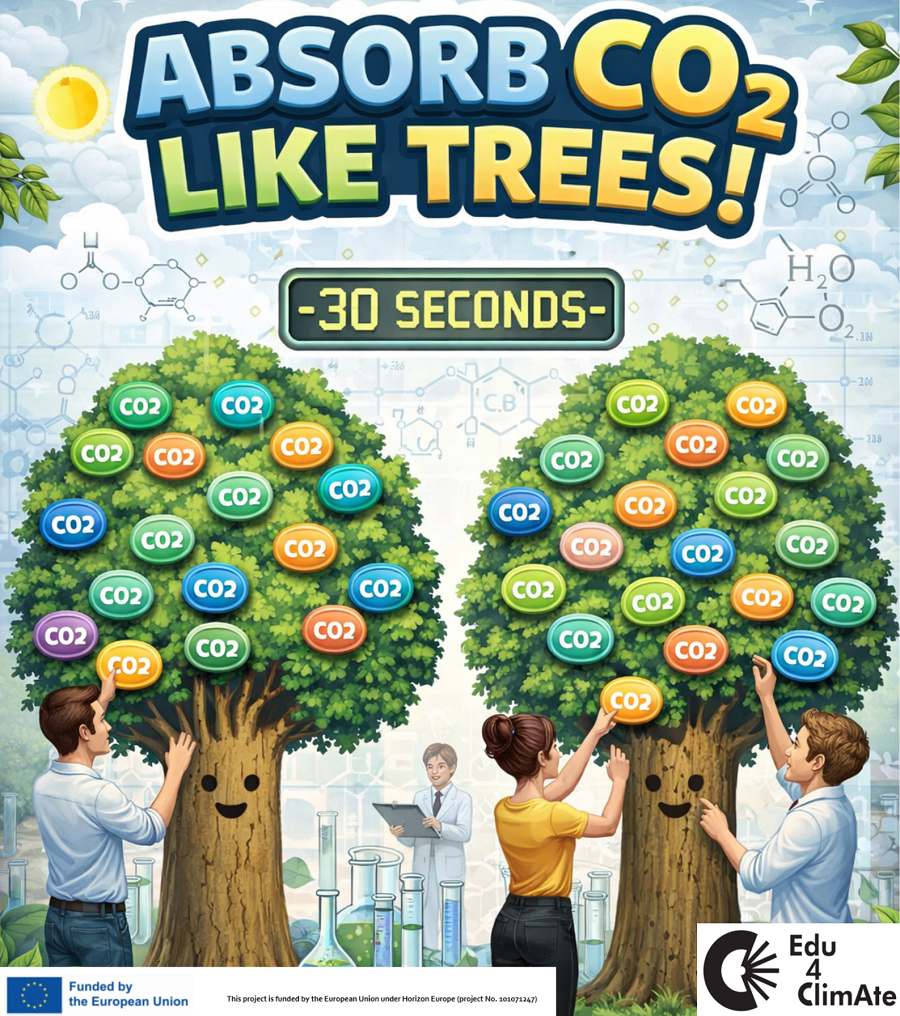
This interactive activity demonstrates how trees help reduce carbon dioxide (CO₂) in the atmosphere and improve air quality. Participants compete by placing as many CO₂ magnets as possible on a tree within 30 seconds, representing how trees capture carbon.
Objective:To help students understand the role of trees in carbon capture and climate change mitigation.
Applications & Interesting Aspects:The activity highlights the importance of trees, reforestation, and urban greenery for reducing atmospheric CO₂.
Hands-on Experience: Participants actively engage by placing CO₂ magnets on the tree, turning a scientific concept into a fun and interactive learning experience.
Team: Konstantinos Ilia, Marios C. Georgiou, Joaquin Vargas
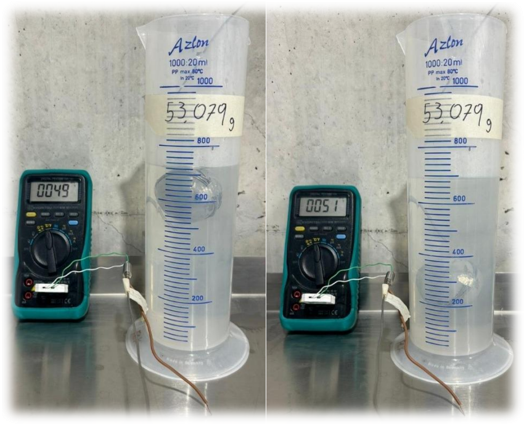
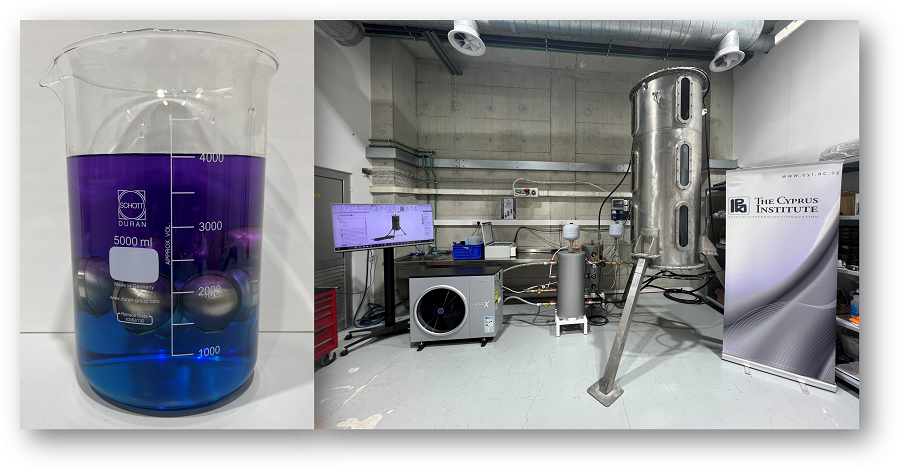
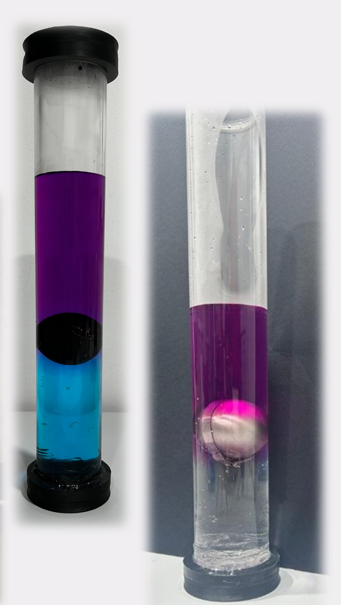
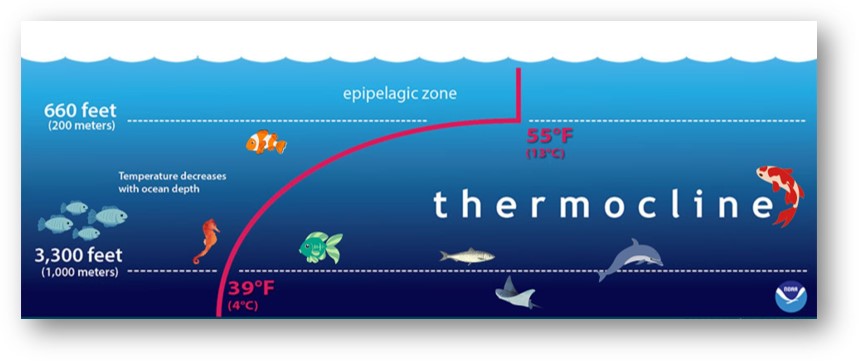
This work studies a patented idea where floating elements are used inside the system to help keep the thermocline stable. This can reduce mixing between hot and cold layers and improve the efficiency of thermal energy storage. The floating elements are tested in laboratory experiments using water to understand how their buoyancy and thermal behavior affect the system.
11:30 – 12:30
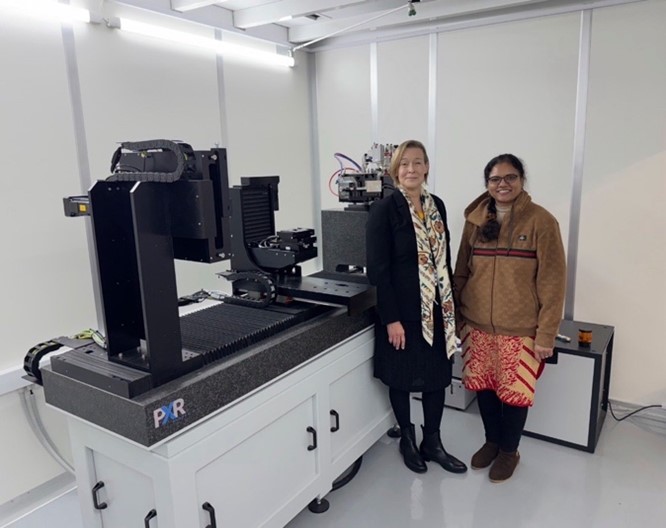
Team: Dr Kirsi O. Lorentz (k.lorentz@cyi.ac.cy); Dr Anis Fatima (a.fatima@cyi.ac.cy)
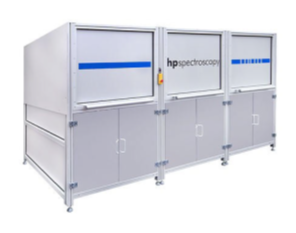
Chemical mapping, chemical speciation and structural imaging in high resolution – applications across research and innovation domains with material samples, ranging from health, environment, pharma, material science, archaeology and cultural heritage, food science, NDT, advanced materials and more.